Unfortunately, the book is not available for sale right now (hard copy and E-book). We are working on publishing it again. You may email me for a pdf copy.

Interdependent Economy
- from political economy to spiritual economy –
- from political economy to spiritual economy –
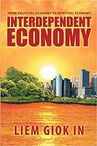
In this 21st Century we, human civilization, should develop from 'political economy' to 'spiritual economy'. That is: to understand that our policies should not come from the subjective interests of only one or some power groups, but should reflect the harmony of the interdependent whole. 'National economy' is just a name, it is not a real existing thing. The reality is interconnectedness - at local and at global levels.
Our view explains this reality and proposes new policies: people's empowerment is their core value -- global peace is their outcome.
Our view explains this reality and proposes new policies: people's empowerment is their core value -- global peace is their outcome.
For more new and exciting developments around this project,
please check out:
www.maid-projects.org: for our projects implementing Interdependent Economy
www.god-and-co.org: for inspirational quotes and stories that help us grow our awareness. Awareness is the substance needed to turn mere vision into living reality.
get a taste here:
https://www.flipsnack.com/inec44/celebration-of-life-a5-online.html
please check out:
www.maid-projects.org: for our projects implementing Interdependent Economy
www.god-and-co.org: for inspirational quotes and stories that help us grow our awareness. Awareness is the substance needed to turn mere vision into living reality.
get a taste here:
https://www.flipsnack.com/inec44/celebration-of-life-a5-online.html
